

Frequently Asked Questions
It varies by city and location. As a rough guide, starter studios are often in the low-millions THB in non-prime areas, while prime CBD or beach-adjacent units cost more. Always check current inventory and CAM/sinking fund before shortlisting.
When corporate tenants/managers remit rent (especially if paying overseas or you don’t have a Thai TIN yet), they commonly withhold 15% of gross as a compliance hold and issue PND 53 certificates. At year-end, you file and any excess is refunded.
Often restricted by building bylaws and local rules. Many condos allow 30-day+ stays only. Check written rental rules for each building.
Yes—if your name appears as a sender on the transfer. Best practice: send from an account titled in your name. Third-party payments can cause Land Office issues.
Yes. Both names can be on the deed with ownership ratios. Co-owners each sign SPA/transfer (or use individual POAs).
Yes—use your passport and deed/SPA. Utilities may require a refundable deposit.
Yes, a stay must be reported. The juristic person often files, but the owner/occupant can report online too.
You’ll apply for a replacement deed at the Land Department (with police loss report and identity docs). Keep scans of everything and store the original securely.
Common costs at transfer include:
Transfer fee: 2% of the appraised value (shared between buyer and seller, unless agreed otherwise)
Withholding tax: Paid by seller unless agreed otherwise
Stamp duty or Specific Business Tax: Paid by seller, depending on ownership period
As a buyer, your main ongoing cost will be Common Area Management (CAM) fees, paid annually or monthly.
As a condo owner, you own your unit plus a share of the building’s common areas and land. If the building is beyond repair and the owners vote to sell the land, proceeds from the land sale are distributed proportionally to all owners. However, market value will depend on location and demand.
Yes — you can include your condo in your will, and it can be inherited by foreign heirs. They will need to comply with Thai ownership regulations to keep it, or they can sell it and transfer the proceeds abroad.
We work only with verified developers and genuine owners. You get:
No agent markups or hidden fees
Verified legal compliance with the Thai Condominium Act
Assistance with FET and banking processes
Free consultation and virtual viewings
Guidance in French, Creole, and English
This is the first dedicated service in Mauritius helping Mauritians invest in Thai condominiums with full legal protection.
Yes — as long as the transfer is made from your personal bank account in your name, in another foreign currency (other than Thai Baht), directly to the Thai developer or seller. We guide you step-by-step so the transfer meets Thai Condominium Act requirements.
Currency exchange rates fluctuate, and banks also charge a margin. We help you plan the timing of your transfer and select the best currency option to minimise loss, ensuring your Thai bank still issues the correct FET or Credit Note for ownership.
The main ongoing costs are Common Area Management (CAM) fees for building maintenance, usually between THB 30–80 per sqm per month, plus utility bills and optional property management fees if you rent it out.
No — foreigners can legally own a condo without holding any type of visa. However, if you plan to stay long-term, we can guide you on retirement, education, or investment visa options.
You will receive the Chanote title deed, the Tabien Baan (house registration book for the unit), and proof of transfer such as the FET or Credit Note. These are the legal proof of ownership.
Only if the building allows it. Most condominiums in Thailand have a minimum rental period of 30 days unless they are licensed for short-term rentals.
We only work with developers who are legally registered, have completed successful projects, and provide full legal documentation. We check their background before recommending them.
But you can also hire an independent Thai property lawyer (optional but ideal) to:
• Conduct a title deed search at the Land Department
• Review zoning laws, foreign quota, and building permits
• Ensure no mortgages, liens, or legal issues exist
• Review and finalize the Sale & Purchase Agreement (SPA)
Yes — you can reserve remotely by paying the reservation fee via an international bank transfer. We confirm availability and foreign quota before you make any payment.
Yes — you can renovate the interior of your unit as you wish, provided it does not affect the building’s structure or common areas.
Yes — this is called an “off-plan” purchase. Payments are made in stages according to the developer’s schedule, and ownership is transferred once construction is complete.
No — you can own multiple units in Thailand, provided each building’s foreign ownership quota (49%) has not been exceeded.
A juristic office (similar to a building management company) handles maintenance, common areas, and resident services. Owners pay monthly common area fees for these services.
No — you can use it as a residence, keep it as a vacation home, or rent it out to generate income. There are no laws forcing you to occupy the property.
Yes. If you wish to rent out your property, SIAMORIS collaborates with trusted property management companies and experienced real estate professionals in Thailand. Through these partners, we can help you find qualified tenants, manage the rental process, and ensure smooth rent collection. Monthly rental income can be transferred directly to your local bank account, minus any applicable bank transaction fees.
It depends on the developer or seller. Some units are sold fully furnished and ready to move in, while others are delivered as bare shells. We can confirm the furnishing details before you make any payment.
Yes. We can arrange a full-day or half-day schedule for you to view multiple shortlisted properties, ensuring you make the most of your time in Bangkok.
No, pet policies vary from building to building. Some condominiums are fully pet-friendly, others allow pets with certain restrictions (such as size or breed), and many do not allow pets at all. Before you commit to a property, we confirm the building’s policy so you don’t face unexpected restrictions after purchase.
While no investment is guaranteed, Thai condominium prices in prime Bangkok locations and popular resort cities have historically increased in value, particularly when the property is in a well-managed development near key amenities. Factors like infrastructure projects, foreign demand, and local economic growth can all influence appreciation. We can help you choose projects with stronger potential for capital gains.
Most condominium juristic offices accept international bank transfers. Some also allow credit card payments or payment through a local representative, such as a property manager. We can help you set up a convenient payment arrangement so your fees are always paid on time, avoiding late penalties.
Yes, but we recommend arranging periodic check-ins to avoid issues such as stagnant water, mold, pest problems, or dust buildup. Many owners hire a property manager to inspect their unit monthly, pay bills on time, and air the apartment. SIAMORIS can refer you to reliable property management services to keep your unit in top condition while you’re away.
Yes, you can. Thai law allows foreigners to own condominiums outright under freehold title, even if they do not live in the country full-time. Many of our clients purchase for investment, holiday use, or as a future retirement home. You do not need a Thai visa to buy, but if you plan to spend extended periods in Thailand, you can explore long-stay visa options such as the Retirement Visa, Long-Term Resident (LTR) Visa, or Elite Visa.
On average, the process takes 3 to 6 weeks from selecting your unit to ownership transfer, depending on your location, developer readiness, and document preparation speed. If you are overseas, courier time for signing documents can add a week or two. Buyers who have funds ready and complete paperwork promptly can finish even faster.
No, you can appoint a licensed lawyer or representative through a Power of Attorney (POA) to handle the process at the Land Department. The POA must be notarized and legalized at the Thai embassy or via Apostille in your country. Many overseas buyers prefer this option for convenience.
We recommend legal due diligence before purchase. This includes checking the title deed for liens or mortgages, confirming the building’s foreign quota status, and ensuring all construction permits are in order. SIAMORIS works only with vetted developers and owners, and we can connect you with independent Thai property lawyers for added protection.
Yes, but rental terms depend on Thai law and your building’s regulations. Long-term rentals (one month or more) are generally allowed. Short-term rentals under 30 days may be restricted unless the building is licensed as a hotel. We collaborate with trusted property managers who can market your unit, screen tenants, and handle rent collection.
Rental income can be transferred directly to your overseas bank account. However, your bank may charge incoming transfer fees, and there may be a small withholding tax in Thailand (usually around 15% for foreign owners). A property management company can collect rent, handle expenses, and send you the balance each month. Once the rental income has been taxed once, it cannot be taxed twice in Mauritius.
Freehold means you own the condo outright in your name. Leasehold means you have a long-term lease (often 30 years) but do not own the unit permanently. Foreigners prefer freehold whenever possible because it gives full legal rights and easier resale options.
Owning property does not automatically grant you residency or a visa. However, property ownership can help support certain long-stay visa applications, such as the Retirement Visa or LTR Visa, by showing ties to Thailand and financial stability.
Rental yields vary by location and property type. In Bangkok, well-located condos can generate 4–6% annual returns for long-term rentals. In resort areas like Phuket or Pattaya, yields can be higher during peak tourist season but may be more seasonal.
Yes. While we do not directly manage properties, we collaborate with trusted property management companies and real estate agencies. They can handle tenant sourcing, contracts, maintenance, and rent collection. We connect you only with vetted professionals to ensure your investment is looked after.
Condos in Bangkok generally offer more affordable prices compared to similar properties in Mauritius, without sacrificing quality or location. You can secure modern, well-designed units in prime areas for a fraction of the price. Additionally, Bangkok’s strong rental market and higher return on investment (ROI) potential make it an attractive choice for Mauritians looking to grow their wealth while benefiting from a lifestyle upgrade.
Absolutely. Many foreign buyers choose to rent out their condos either short-term or long-term. Bangkok’s high demand from expats, business travelers, and tourists means rental yields can be attractive. SIAMORIS can connect you with property management and real estate partners to handle marketing, tenant screening, rent collection, and maintenance on your behalf.
While returns vary depending on location, building, and management, Bangkok condos in prime locations often achieve net yields between 4% and 8% annually. SIAMORIS works with developers and property owners to ensure the units we recommend have strong rental demand and resale potential.
Yes. Thailand offers a retirement visa option for those aged 50 and above, allowing you to stay long-term. Bangkok combines world-class healthcare, excellent infrastructure, a vibrant expat community, and a lower cost of living compared to Mauritius — all factors that make it a top choice for retirees.
Very easy. English is widely spoken, especially in central Bangkok, and the city is home to many expats from around the world. You’ll find modern malls, international restaurants, world-class hospitals, and convenient transport systems that make daily life simple and enjoyable.
Bangkok offers the best of both worlds — a fast-paced city life with shopping malls, rooftop bars, and fine dining, alongside serene parks, night market, riverside areas, and cultural temples. Transport is affordable and efficient, making it easy to explore different areas and enjoy everything the city has to offer.
The Mauritian rupee has been losing value against stronger currencies like the Thai baht, US dollar, and euro. By investing in Bangkok property and earning rental income in baht, you can protect your wealth from currency depreciation and potentially increase your purchasing power in the long term.
Yes. We strongly recommend that all Mauritian property owners open a Foreign Currency Account (FCA) in Mauritius. This account allows you to receive your rental income directly in a foreign currency such as Thai baht, US dollars, or euros — without being forced to convert it immediately into Mauritian rupees. This means you avoid unnecessary conversion losses and can hold the funds until the exchange rate is favorable. You can also use the same funds for future international travel, overseas purchases, or investments without reconverting. SIAMORIS can guide you through setting up an FCA so you can maximize your returns and keep more of your rental income.
No. As a foreigner, you cannot directly own land in Thailand. When you buy a freehold condominium, you own your individual unit outright and a proportional share of the building’s common areas and land, but not the land in your name.
Maintenance fees are generally low compared to Mauritius or other countries. Common fees range from 40–80 THB per square meter per month, covering services such as security, cleaning, pool maintenance, and building management.
Yes. As the owner, you can allow friends or family members to stay in your condo without restriction. If you are renting it out, you can set conditions in the rental agreement to allow family stays between rentals.
Yes. Foreigners can legally own freehold condominium units anywhere in Thailand, as long as the building’s total foreign ownership does not exceed 49%. Popular destinations include Bangkok, Phuket, Pattaya, Hua Hin, Chiang Mai, and Koh Samui.
No. Prices vary greatly by location. Coastal areas like Phuket and Koh Samui may have higher beachfront prices, while inland cities like Chiang Mai offer more affordable living. Bangkok’s prime districts command premium prices, but up-and-coming areas still offer excellent value.
It depends on your goals. Bangkok offers strong long-term appreciation, Phuket and Pattaya deliver high short-term rental yields, Hua Hin attracts retirees, and Chiang Mai is popular for affordable living. SIAMORIS helps you choose the best location based on your budget, lifestyle, and ROI goals.
It depends on your goals. Bangkok offers strong long-term appreciation, Phuket and Pattaya deliver high short-term rental yields, Hua Hin attracts retirees, and Chiang Mai is popular for affordable living. SIAMORIS helps you choose the best location based on your budget, lifestyle, and ROI goals.
Yes—bring the old and new passports (and name-change evidence) to annotate/update records at the Land Department and with your bank/manager.
Often yes, but it’s slower and may trigger international fees. Many owners receive rent to a Thai account then remit out as needed.
Discover Your Perfect Condo
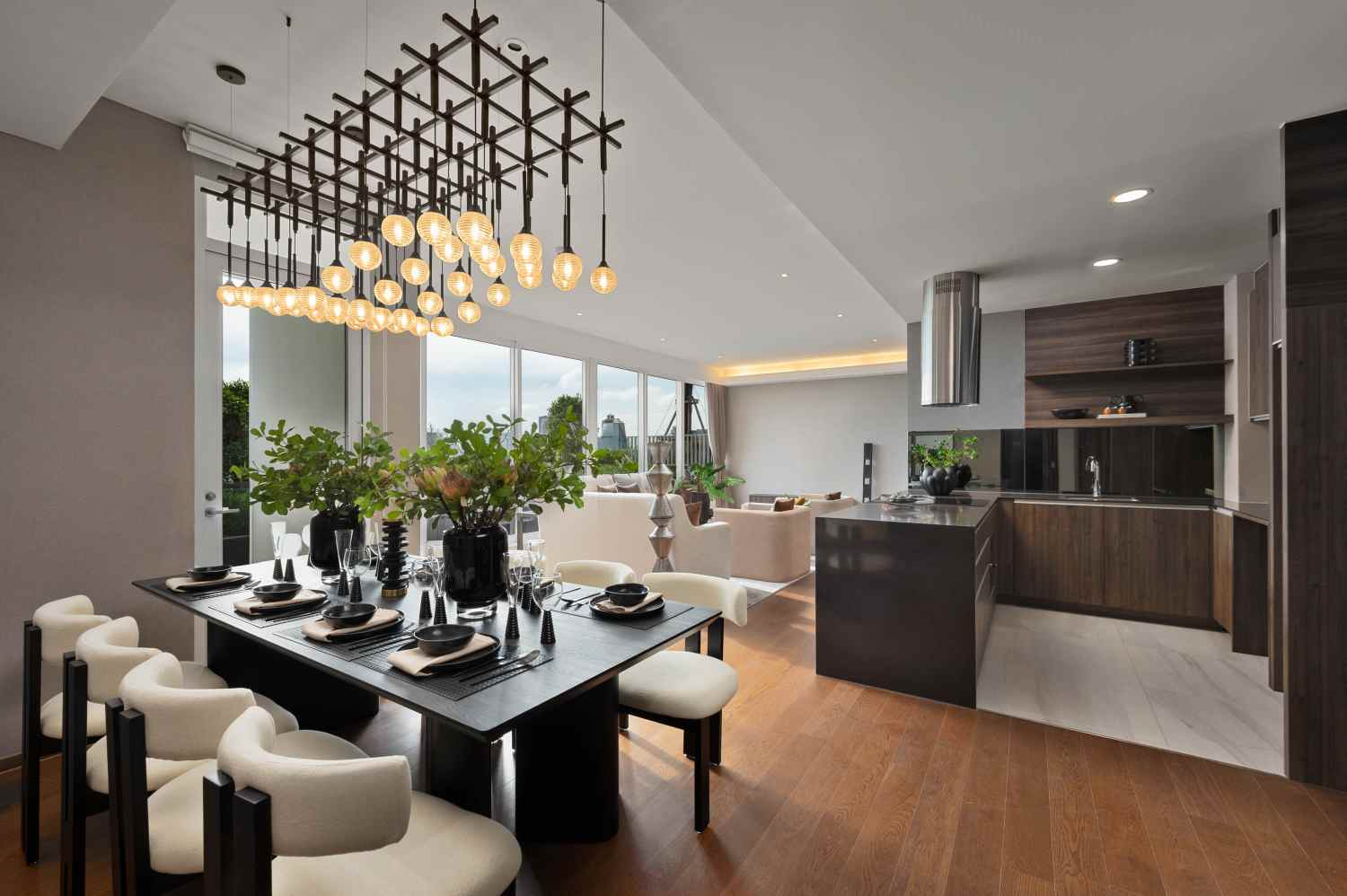
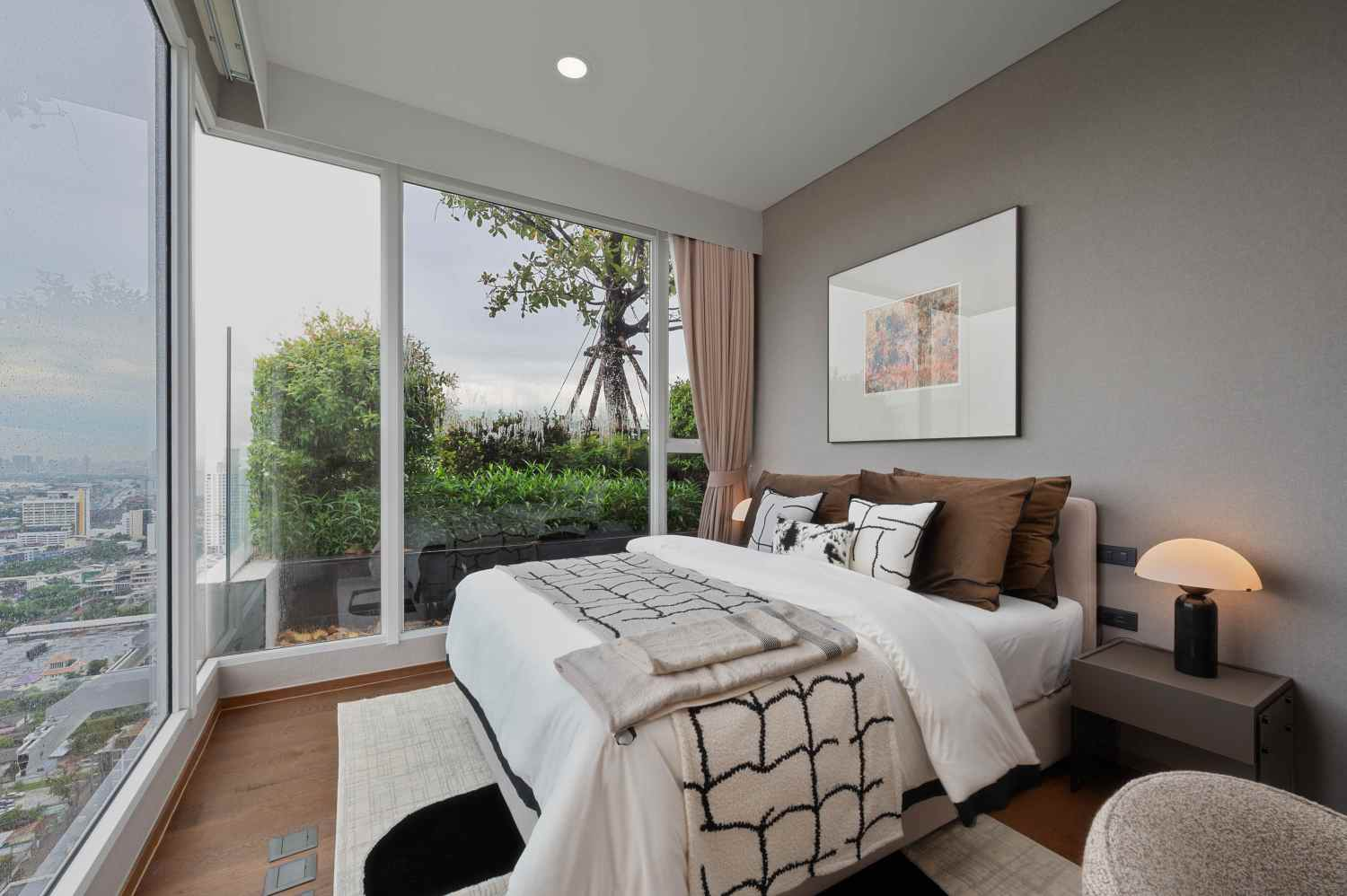
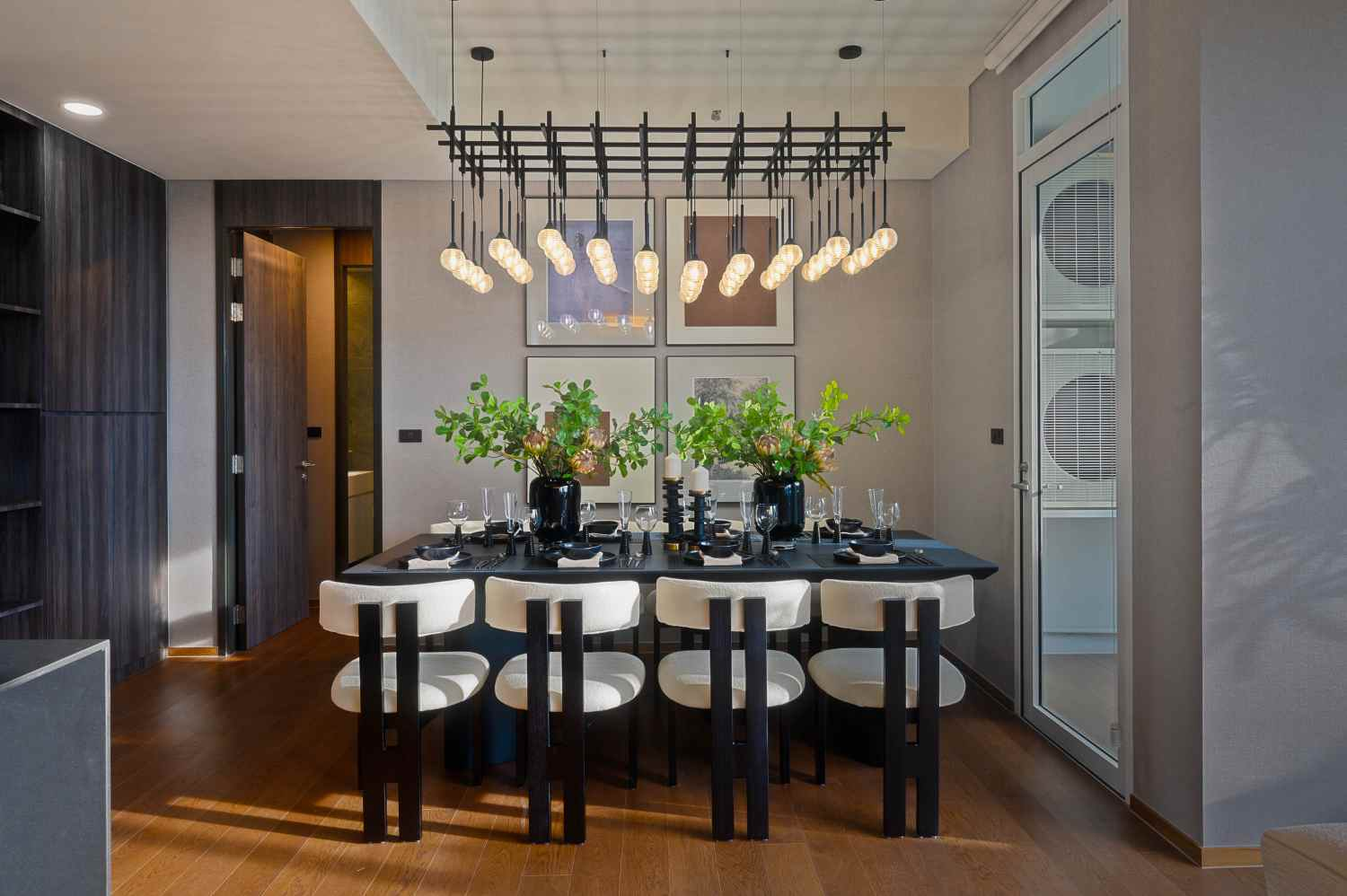
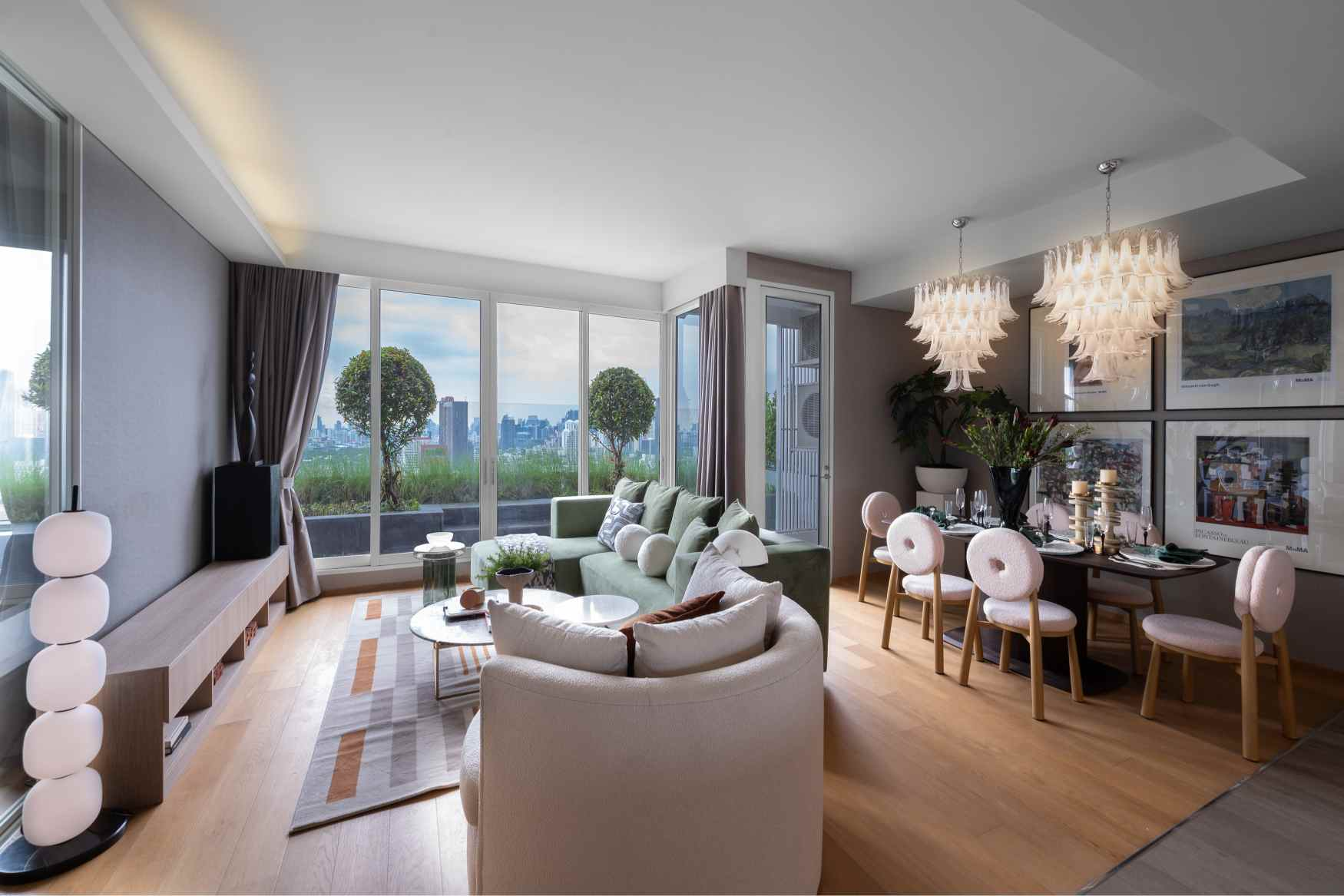
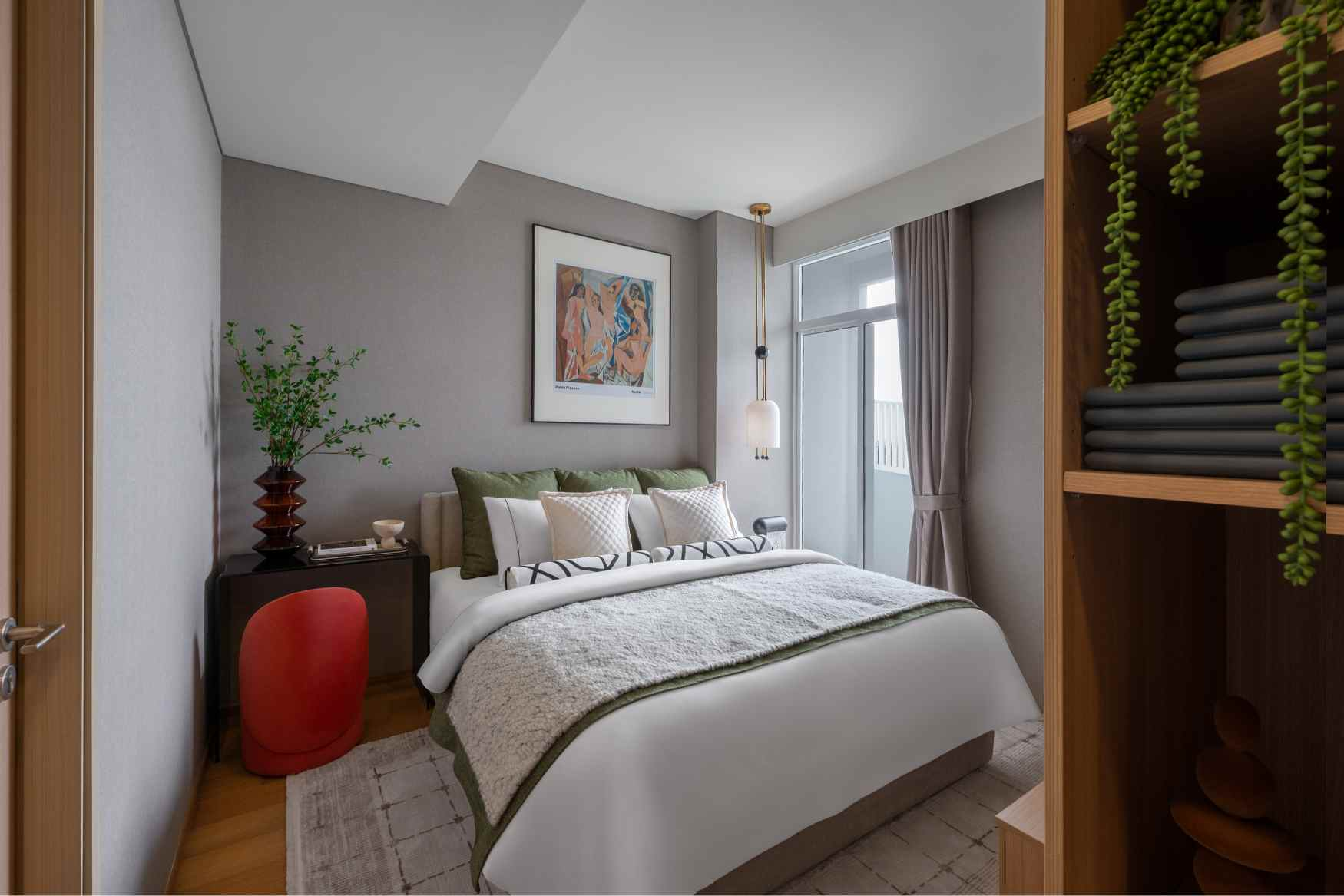
Wyndham Garden Bangkok Sukhumvit 42- 4 Bedrooms Penthouse
Wyndham Garden Bangkok Sukhumvit 42, 19, ซอยสุขุมวิท 42, ชุมชนริมคลองพระโขนง, แขวงพระโขนง, เขตคลองเตย, กรุงเทพมหานคร, 10110, ประเทศไทย- 42,930,000THB
- Beds: 4
- Baths: 4
- 152.24 m²
- 4 Bedrooms, Investment Program, Penthouse
Contact me
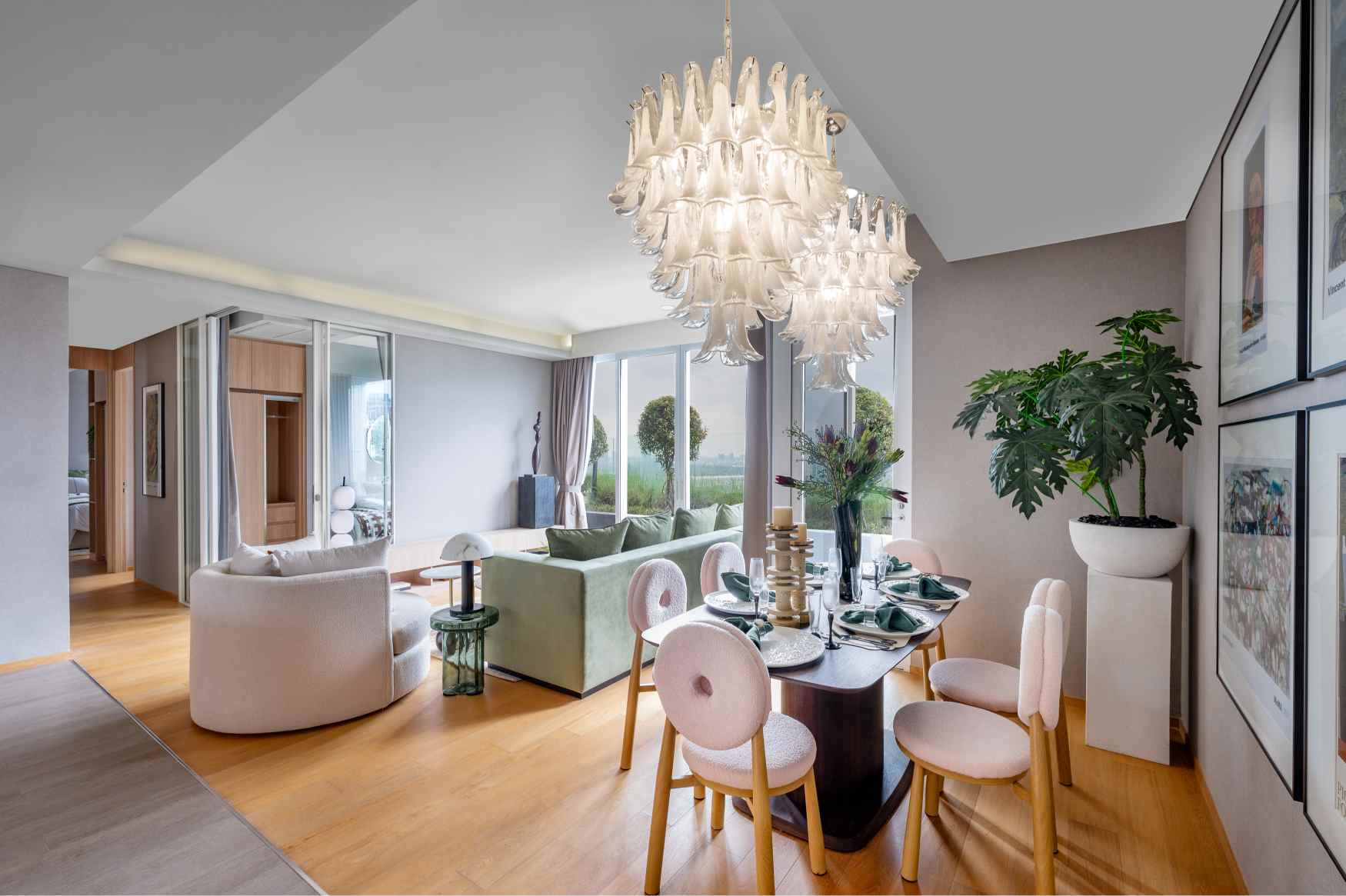
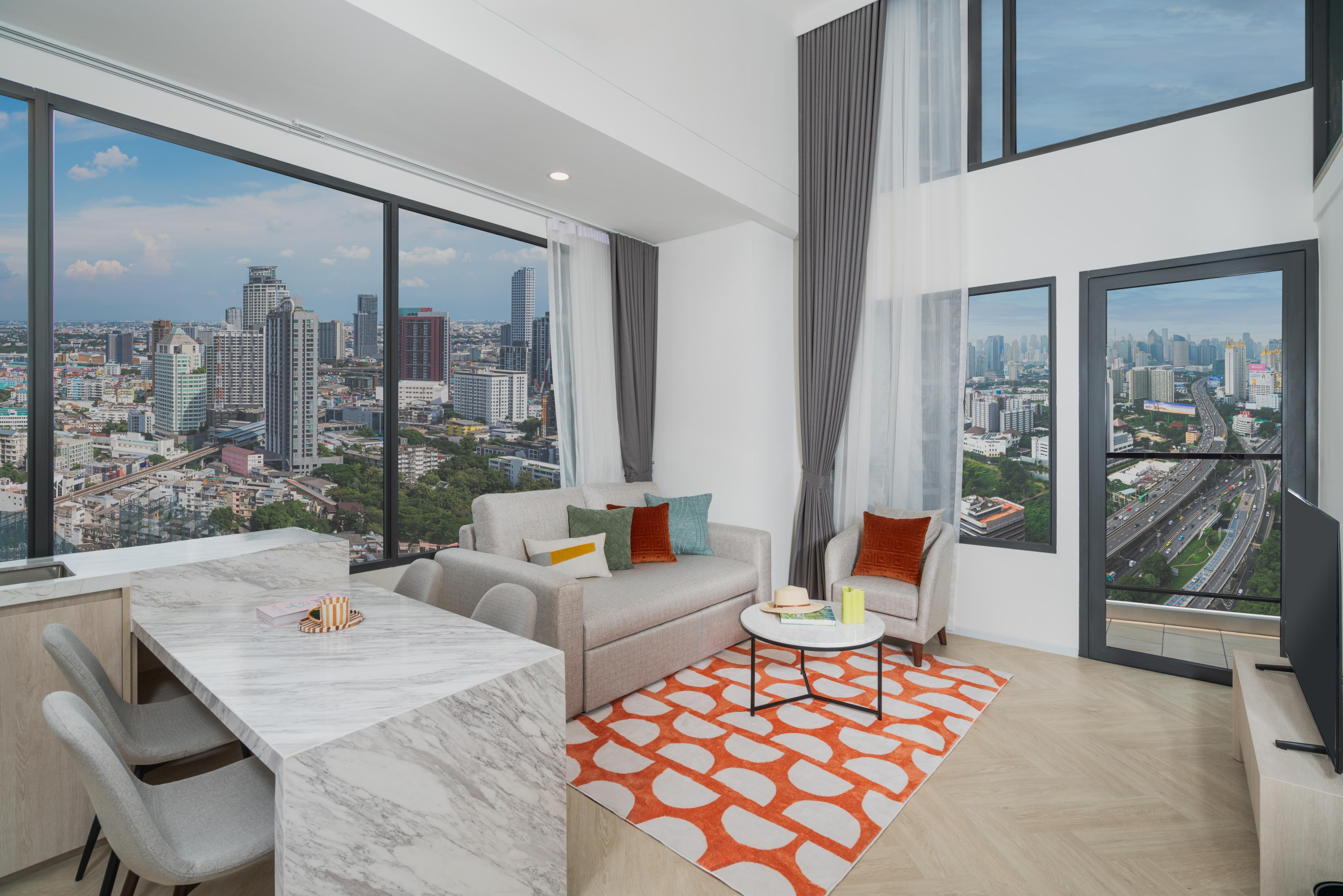
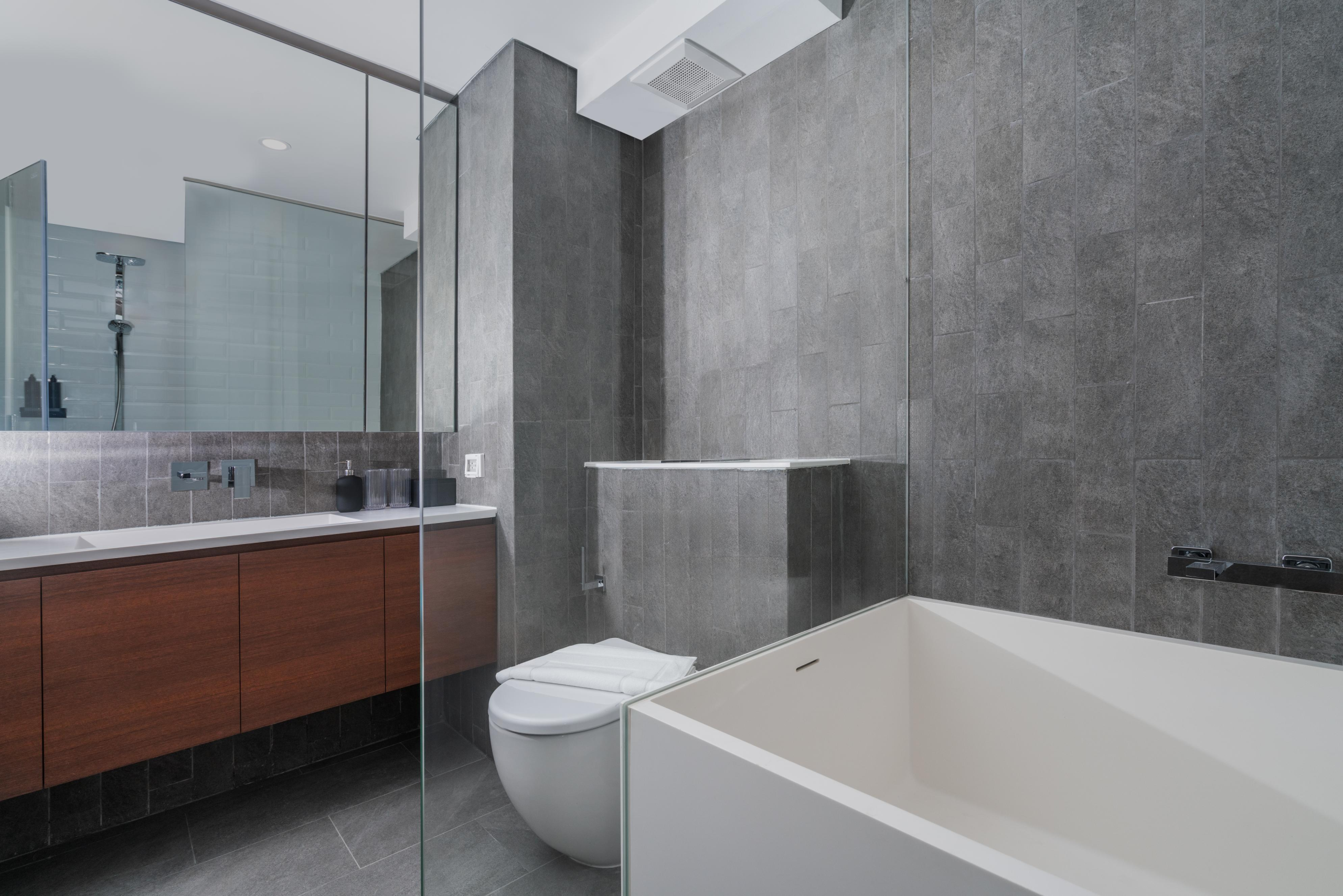
Wyndham Garden Bangkok Sukhumvit 42- 3 Bedrooms Penthouse
Wyndham Garden Bangkok Sukhumvit 42, 19, ซอยสุขุมวิท 42, ชุมชนริมคลองพระโขนง, แขวงพระโขนง, เขตคลองเตย, กรุงเทพมหานคร, 10110, ประเทศไทย- 26,560,000THB
- Beds: 3
- Baths: 4
- 89.01 m²
- 3 Bedrooms, Investment Program, Penthouse
Contact me
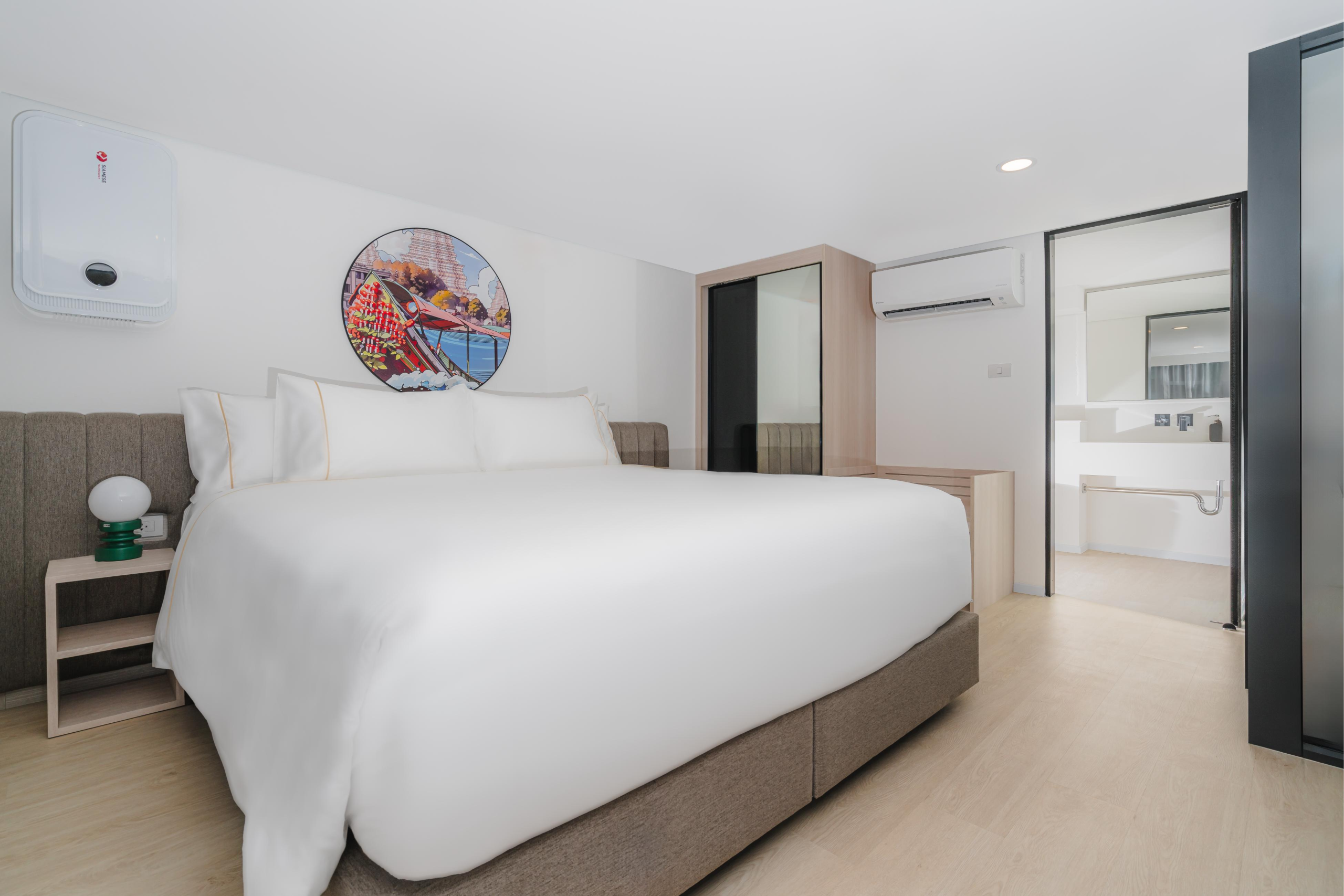
Cassia Rama 9 Bangkok Hotel- 2 Bedrooms
ถนนพระราม 9, แขวงบางกะปิ, เขตห้วยขวาง, กรุงเทพมหานคร, 10310, ประเทศไทย- As from 8,740,000THB
- Beds: 2
- Baths: 2
- 57.80 m²
- 2 Bedrooms, Investment Program
Contact me
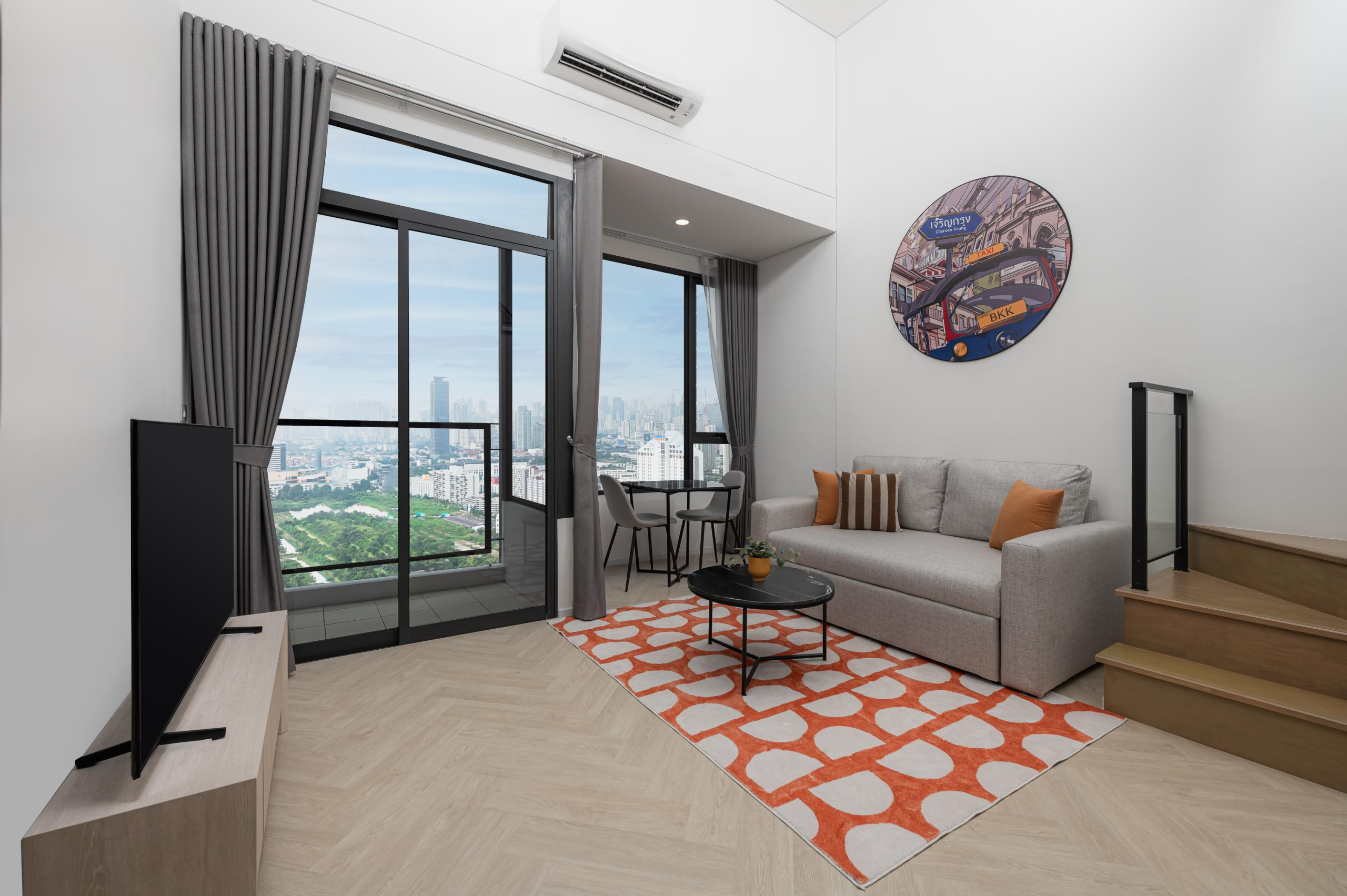
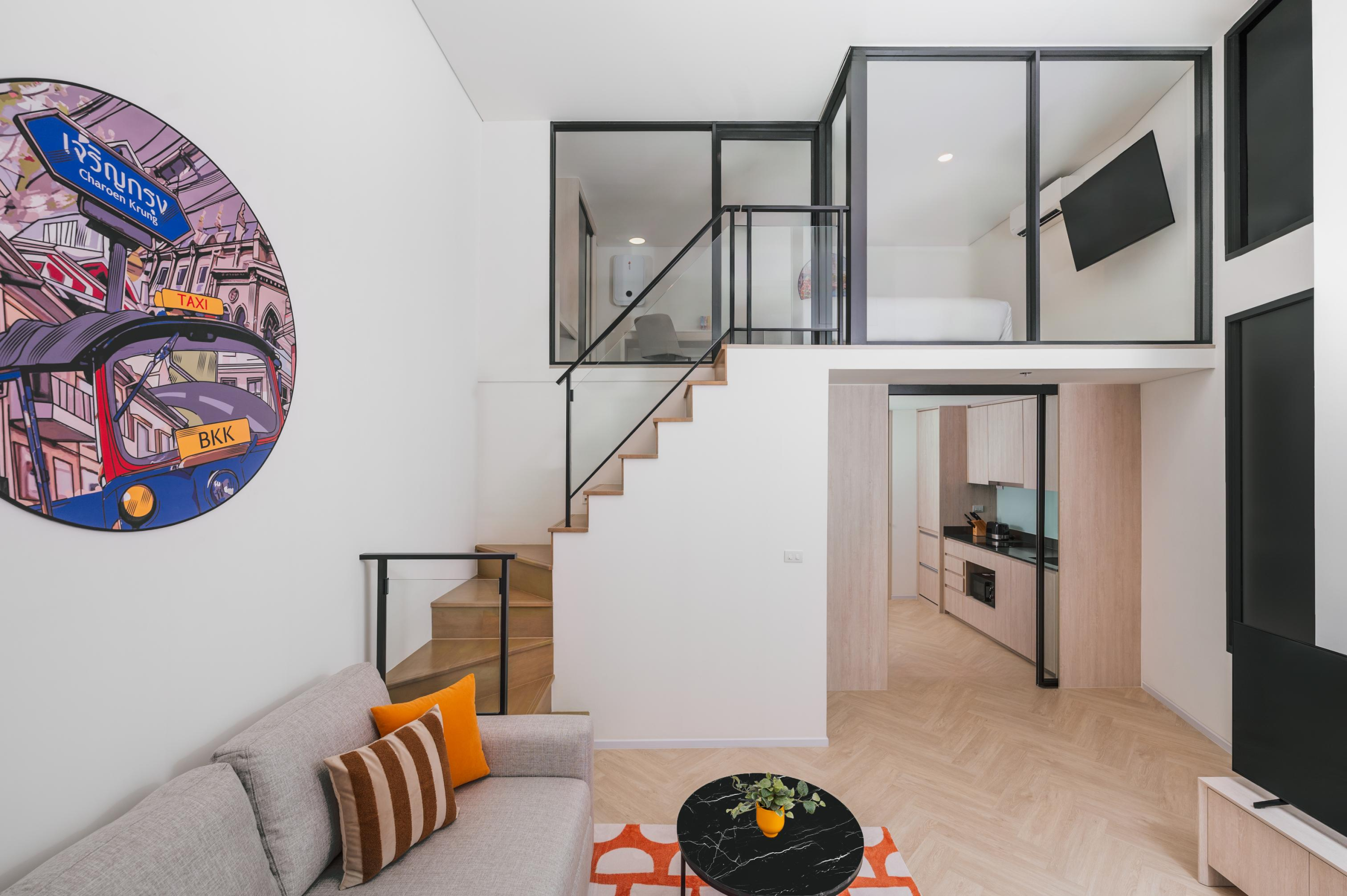
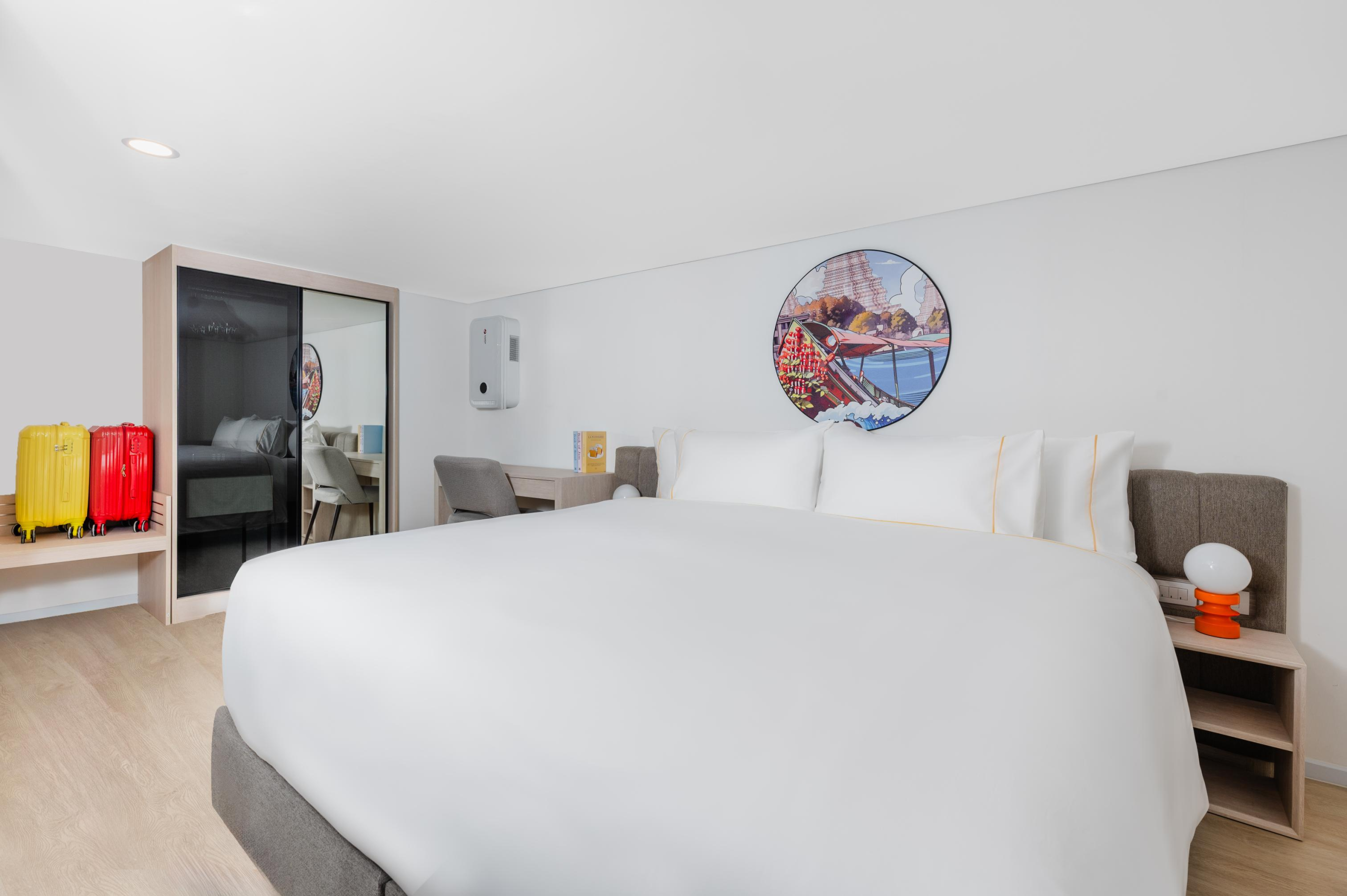
Cassia Rama 9 Bangkok Hotel- 1 Bedroom Plus
ถนนพระราม 9, แขวงบางกะปิ, เขตห้วยขวาง, กรุงเทพมหานคร, 10310, ประเทศไทย- As from 6,200,000THB
- Bed: 1
- Bath: 1
- 44.90 m²
- 1 Bedroom Plus, Investment Program